
Ariel Square Four The Iconic Four-Cylinder British Motorcycle
May 11, 2025

 Ariel Square Four The Iconic Four-Cylinder British Motorcycle
May 11, 2025
Ariel Square Four The Iconic Four-Cylinder British Motorcycle
May 11, 2025
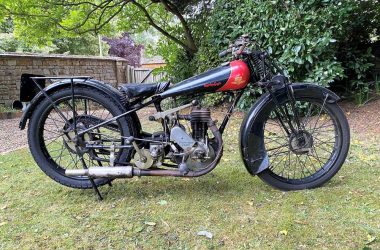 Coventry Eagle Motorcycles The Forgotten Gem of British Bikes
December 28, 2024
Coventry Eagle Motorcycles The Forgotten Gem of British Bikes
December 28, 2024
 A Short History of the Triumph Bonneville – Models, Evolution, and Legacy
October 23, 2024
A Short History of the Triumph Bonneville – Models, Evolution, and Legacy
October 23, 2024
Rudge motorcycles hold a prominent place in the history of British engineering, known for their technical innovation, racing prowess, and contributions to early 20th-century motorcycling. The Rudge-Whitworth company, originally founded in 1894 as a bicycle manufacturer, ventured into the motorcycle industry in 1911. The company quickly gained a reputation for their advanced designs, most notably their revolutionary “Rudge Multi” model in 1912, which featured an innovative variable gear system with up to 21 ratios. This innovation gave Rudge motorcycles a significant competitive edge in racing and on the open road, making them favourites among enthusiasts. Include in this History of Rudge Motorcycles are some sold examples at auction with a price guide of their realised prices at auction.

One of the hallmarks of Rudge motorcycles was their technical advancement. The “Multi” model not only introduced variable gears but also marked one of the first uses of linked brakes on both the front and rear wheels, improving safety and performance. By 1923, Rudge introduced another landmark motorcycle, the “Rudge Four,” which featured four-valve cylinder heads. This unique design allowed for improved airflow into the engine, increasing power and efficiency. The four-valve technology was so advanced that it continued to influence motorcycle design for years to come.
Rudge’s commitment to innovation was matched by their success in racing. They became a dominant force in competitions such as the Isle of Man Tourist Trophy (TT) races, where they achieved several victories. Their first significant triumph came in 1914, and they continued to shine in the 1920s and 1930s, including winning the 1930 Ulster Grand Prix. In fact, the Rudge Ulster model was named in honour of this victory, further cementing the brand’s association with high-performance racing motorcycles.
In addition to road racing, Rudge played a significant role in the early years of motorcycle speedway. The lightweight, powerful engines and agile designs made Rudge bikes popular among speedway racers. Their impact was particularly felt in the late 1920s and early 1930s, with numerous victories and records under their belt.
However, despite their success on the track and innovations in design, Rudge faced financial difficulties. The Great Depression of the 1930s hit the company hard, and by 1939, Rudge-Whitworth had been sold to the Gramophone Company, more famously known as EMI. Although EMI continued to produce Rudge motorcycles until 1946, the brand’s heyday was over, and production ceased shortly after World War II.
The legacy of Rudge motorcycles, however, remains influential. Their advancements in gear technology, braking systems, and engine design paved the way for future developments in motorcycle engineering. Today, Rudge motorcycles are cherished by collectors and vintage motorcycle enthusiasts, with many models preserved and showcased in museums and at motorcycle events around the world. The Rudge Ulster, in particular, remains a symbol of British engineering excellence, a testament to the brand’s innovative spirit.
Rudge’s commitment to racing and engineering precision ensured its place in the annals of motorcycle history, remembered not just for their victories on the track but also for their ground breaking contributions to motorcycle technology.
For more information visit Bonhams.com.


