
Ariel Square Four The Iconic Four-Cylinder British Motorcycle
May 11, 2025

 Ariel Square Four The Iconic Four-Cylinder British Motorcycle
May 11, 2025
Ariel Square Four The Iconic Four-Cylinder British Motorcycle
May 11, 2025
 Coventry Eagle Motorcycles The Forgotten Gem of British Bikes
December 28, 2024
Coventry Eagle Motorcycles The Forgotten Gem of British Bikes
December 28, 2024
 The Brough Superior SS80 history and price guide
October 16, 2024
The Brough Superior SS80 history and price guide
October 16, 2024
The Triumph Bonneville is one of the most iconic motorcycles in history, known for its enduring legacy of speed, design, and British craftsmanship. Introduced in 1959, the original Bonneville T120 was named after the Bonneville Salt Flats in Utah, where Triumph set land speed records. Powered by a 650cc parallel-twin engine, the T120 quickly gained popularity for its balance of power and style. It was especially revered in the 1960s, driven to fame by cultural icons like Steve McQueen and Marlon Brando, who helped establish the bike as a symbol of freedom and rebellion.
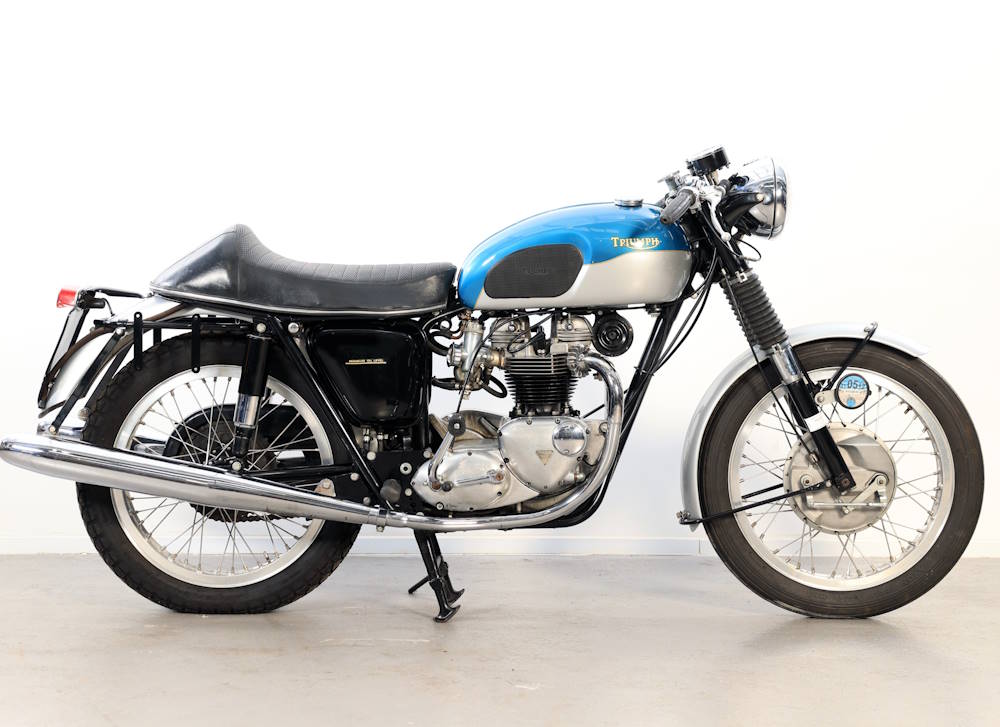
During the 1960s, the Bonneville became a favourite among both racers and casual riders, thanks to its reliability and ability to reach speeds over 100 mph. Its sleek design and exceptional performance, particularly in the U.S. market, helped solidify its reputation as a go-to motorcycle for enthusiasts. However, by the 1970s, Triumph faced increasing competition from Japanese manufacturers like Honda, Yamaha, and Kawasaki, which introduced more technologically advanced and reliable models.
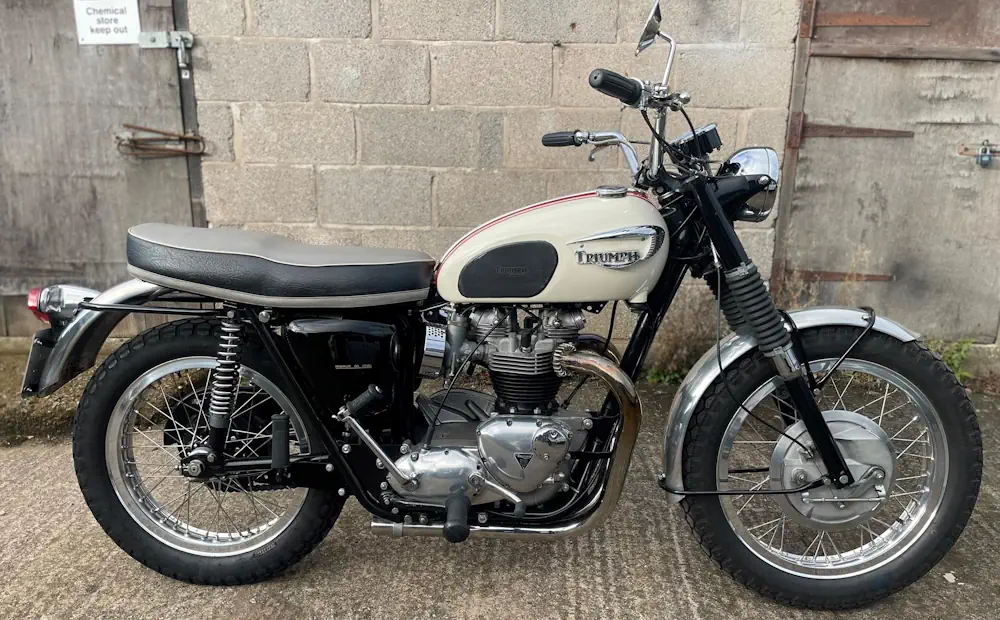
To counter this, Triumph released the Bonneville T140 in 1973. With a larger 750cc engine, the T140 was a powerful successor to the T120 and stayed in production until 1988. It helped the Bonneville remain competitive in an increasingly difficult market. Despite the T140’s improvements in power and handling, Triumph’s financial difficulties continued to grow, leading the company into receivership in 1983, and the original Bonneville series was discontinued.
The Triumph brand was revived in 2001, and the Bonneville made a comeback with a modernized version that stayed true to its classic roots. The new Bonneville was powered by a 790cc parallel-twin engine, which was later upgraded to 865cc in subsequent models. While featuring modern engineering and technology, the bike retained its vintage aesthetic, appealing to both nostalgic riders and new generations. The reintroduction of the Bonneville was a success, and it quickly became a core part of Triumph’s line-up once again.
Modern iterations of the Bonneville, such as the T100, T120, Bobber, and Speedmaster, have continued to evolve while preserving the original’s retro charm. These models offer various levels of customization and power, ensuring that the Bonneville caters to a broad range of motorcyclists. For example, the T100 echoes the styling of the 1960s Bonneville but is updated with modern components, while the T120 has a larger 1200cc engine, offering more power for riders seeking performance. The Bobber and Speedmaster, on the other hand, provide a factory-custom aesthetic with added style and comfort.
The Triumph Bonneville has been more than just a motorcycle—it’s a cultural icon that has left a lasting impact on the motorcycling world. From its early days setting speed records to its resurgence in the 21st century, the Bonneville has remained a favourite among riders worldwide. Its blend of classic design, reliable performance, and modern engineering has allowed it to stand the test of time.
The Bonneville’s success can be attributed to both its technical features and the lifestyle it represents. Throughout the years, it has maintained its reputation as a symbol of independence, adventure, and timeless British craftsmanship. Even through the company’s financial difficulties and the competitive pressures from rival manufacturers, the Bonneville has emerged as a mainstay in the motorcycle industry.
The reintroduction of the Bonneville in 2001 not only breathed new life into the model but also solidified its place in modern motorcycling. Triumph’s decision to honour the bike’s heritage while adapting to contemporary standards helped the Bonneville remain relevant and desirable. Today, the Triumph Bonneville is one of the most beloved motorcycles in the world, continuing to inspire riders and collectors alike with its rich history and enduring appeal. Whether it’s the original T120, the iconic T140, or the modern versions like the T120 or Bobber, the Bonneville represents a true motorcycling legacy that shows no signs of fading away.


